
Real Estate
LIVE: Georgia constitutional amendments election results 2026
By Rebecca Nash
Advertisement · Why this ad?
Sharon is an avid sports enthusiast with a background in sports journalism from Kennesaw State University. Before joining Alpharetta Current, she worked for the Gwinnett Daily Post, covering high school sports for over five years. Her passion for local athletics shines through in her reporting.
More from Sharon →
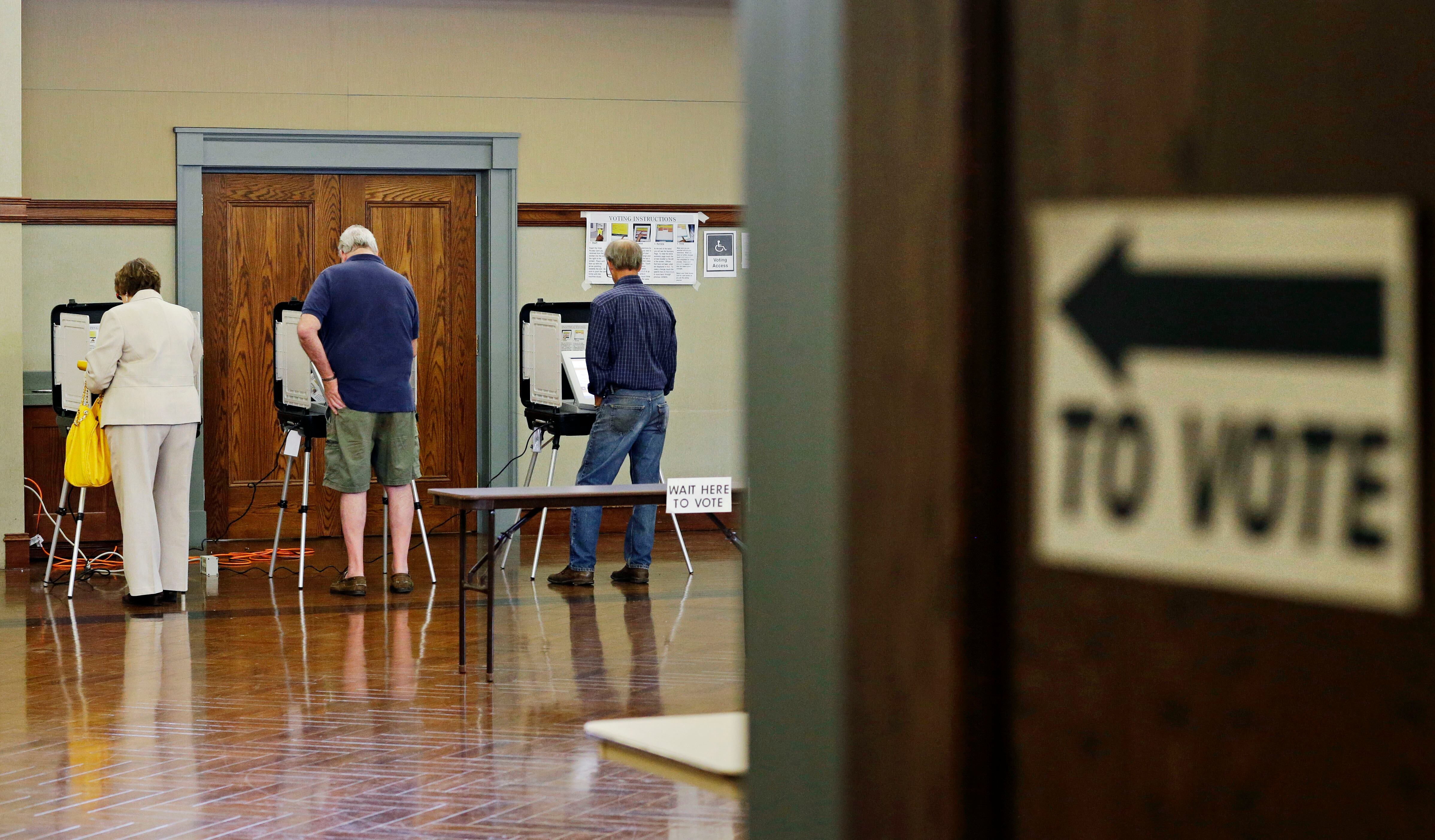
As the sun dipped below the horizon on a brisk November evening, families gathered around kitchen tables, their hearts racing with excitement and nerves. It was election night in Georgia, and the stakes were high. Among the chatter of ballots and the clinking of coffee mugs, a palpable sense of community filled the air. Voters across the state had cast their votes on three significant constitutional amendments that would shape the future of Georgia's agricultural landscape, judicial integrity, and emergency communication systems.
On Tuesday, Georgia voters made history by approving three crucial constitutional amendments that promise to reshape the state's governance and community services. The amendments, which garnered widespread support, include significant changes to agricultural property tax rules, the election process for probate judges, and the funding of emergency dispatch services. The Associated Press confirmed that all three measures passed, signaling a strong desire for reform among Georgia's electorate.
The first amendment, designated as Constitutional Amendment 1, doubles the maximum acreage allowed under Georgia's bona fide conservation use property tax covenant from 2,000 acres to a staggering 4,000 acres. This measure, introduced as House Resolution 32, is a game-changer for multi-generational family farmers and timberland operators who rely on lower property tax assessments to maintain their agricultural operations.
Constitutional Amendment 2, on the other hand, mandates that all probate court judges be elected in nonpartisan elections, eliminating party affiliations from the ballot. This amendment, known as House Resolution 251, aims to enhance the neutrality of the judicial system across Georgia's 159 counties, impacting the administration of wills, estates, guardianships, and marriage licenses.
The implications of these amendments are profound, particularly for families who have deep roots in Georgia's agricultural sector. By raising the qualifying limit for property tax relief, the state is not only protecting farmland from commercial development but also ensuring that family farms can thrive amid rising property taxes. As supporters of Amendment 1 argued, this change is crucial for preserving the American dream of farming, which has been passed down through generations.
Moreover, the transition to nonpartisan elections for probate judges is expected to foster a more impartial judicial environment. Proponents believe that removing party labels will allow voters to focus on the qualifications and character of candidates rather than their political affiliations. This shift could lead to a more trustworthy and effective judicial system, which is essential for maintaining the integrity of local governance.
The creation of a dedicated fund for emergency communications, as outlined in Constitutional Amendment 3, represents a significant step forward in safeguarding public safety. By establishing a nonlapsing fund within the state treasury, lawmakers can ensure that wireless 911 fees are allocated specifically for upgrading emergency communication networks. This is particularly vital as Georgia transitions to an internet-based "Next Generation 911" system, enhancing the efficiency and effectiveness of emergency response.
While the passage of these amendments has been celebrated by many, it is essential to acknowledge the concerns raised by opponents. Critics of Amendment 1 cautioned that expanding acreage limits could lead to a decrease in local county and school property tax revenue, potentially impacting essential services. They argued that the balance between supporting farmers and ensuring sufficient funding for local governments must be carefully considered.
Similarly, opponents of Amendment 2 expressed concerns that nonpartisan elections might strip voters of valuable information about candidates. They argued that party affiliations can provide helpful guidance, particularly in local judicial races where voters may not be familiar with all candidates. The debate surrounding this amendment highlights the ongoing discussion about transparency and accountability in the electoral process.
As Georgia moves forward with these constitutional amendments, the focus will undoubtedly shift to the implementation of these changes. Lawmakers will need to ensure that the new regulations are effectively communicated to the public and that the necessary infrastructure is in place to support the transition to nonpartisan probate elections and the dedicated emergency communications fund.
For farmers, the doubling of the property tax relief cap offers a renewed sense of hope. Multi-generational farms can now plan for the future with more confidence, knowing that their land is protected from the pressures of commercial development. This change not only benefits individual families but also contributes to the preservation of Georgia's agricultural heritage. Farmers like the Smith family, who have cultivated their land in rural Georgia for over a century, expressed relief at the new measure, stating, "This amendment is about more than just taxes; it’s about our way of life and ensuring our children can continue what we’ve built."
In the realm of emergency services, the establishment of a dedicated fund for 911 systems will likely lead to enhanced training and resources for first responders. Local fire chief James Thompson emphasized the importance of this funding, noting that "with improved communication technology, we can cut down response times and ultimately save lives. This is a win for our community." As communities adapt to the new digital landscape of emergency communications, residents can expect improvements in response times and overall public safety.
As we reflect on the recent election results, it is clear that Georgia voters are committed to shaping a future that prioritizes family, community, and safety. These constitutional amendments represent a collective vision for a better Georgia, one where farmland is preserved, judicial elections are fair, and emergency services are adequately funded.
As we look toward the next election cycle, it will be crucial for voters to remain engaged and informed about the implications of these changes. The success of these amendments will depend not only on legislative action but also on the active participation of the community in holding elected officials accountable. Local advocacy groups are already mobilizing to ensure that the public understands how these amendments will be implemented, with workshops and information sessions planned across the state.
In conclusion, the passage of these amendments marks a significant step forward for Georgia. They reflect a commitment to the values that bind our communities together—strong families, stable governance, and a dedication to the common good. As we celebrate this moment in our state’s history, let us continue to work together to ensure that the American dream remains alive and well for generations to come.
By Rebecca Nash
By Tamara Lopez

By James Ramirez
By Cynthia Blake